What if cruising could be freer, more responsible, and closer to nature?
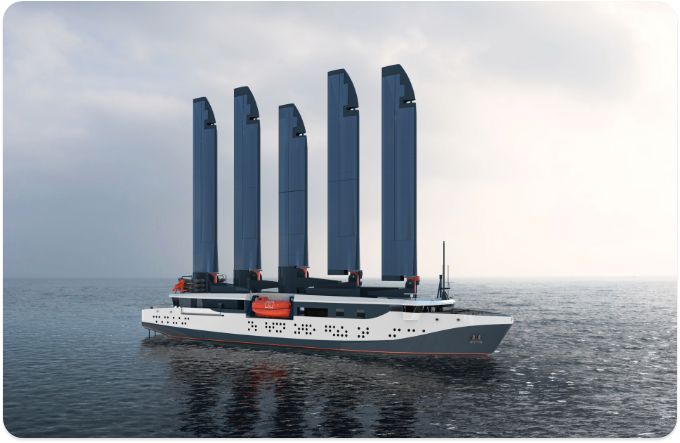
That’s the ambition behind Selar’s first vessel, the Captain Arctic. For this project, the company has partnered with Cormoran to integrate five rigid solar wings.
Selar aims to develop a new approach to cruising and help accelerate the decarbonization of a sector that still lacks truly disruptive alternatives.
Its approach combines innovative technologies with a new way of travelling. The ambition is clear: to deploy a fleet of 10 vessels across the world’s five oceans within the next 10 years.
At 70 meters long, the Captain Arctic accommodates 36 passengers and 24 crew members.
There are no fixed itineraries or standardized experiences. The vessel offers complete freedom, with a deep commitment to biodiversity: a new way of exploring the oceans.
Five 35-meter-high Cormoran wings, designed to withstand the most extreme weather conditions. Made from aluminum, they are covered with nearly 2,000 m² of solar panels, providing a clean and sustainable source of energy.
The vessel uses the electricity generated by the solar panels and stores it in a battery system.
The vessel has been designed to minimize energy consumption. It features enhanced thermal insulation, high-efficiency equipment, and reduced pressure losses across all systems.
In polar regions, the vessel is heated by a pellet boiler powered by recycled wood waste, a more environmentally friendly solution than traditional fuel-fired boilers.
The vessel is equipped with innovative systems to help achieve this goal, including an organic waste treatment plant and a septic tank that transforms wastewater into technical water.
The design, construction, and maintenance of this large-scale vessel, as well as future vessels, involve various specialized French companies, the vast majority of them based in Brittany, including Cormoran. This collaboration fosters innovation in key sectors such as shipbuilding, maritime engineering, and clean technologies.
The vessel will be equipped with the first set of Cormoran wings and will be deployed in different testing areas, from the Mediterranean to the polar seas. This diversity of conditions will provide a broad range of feedback on the technologies on board, helping to ensure their reliability and effectiveness in a variety of environments.
The Captain Arctic will fly the French flag and will have 50% French crew members on board, contributing to the development of the maritime industry and the creation of local jobs.
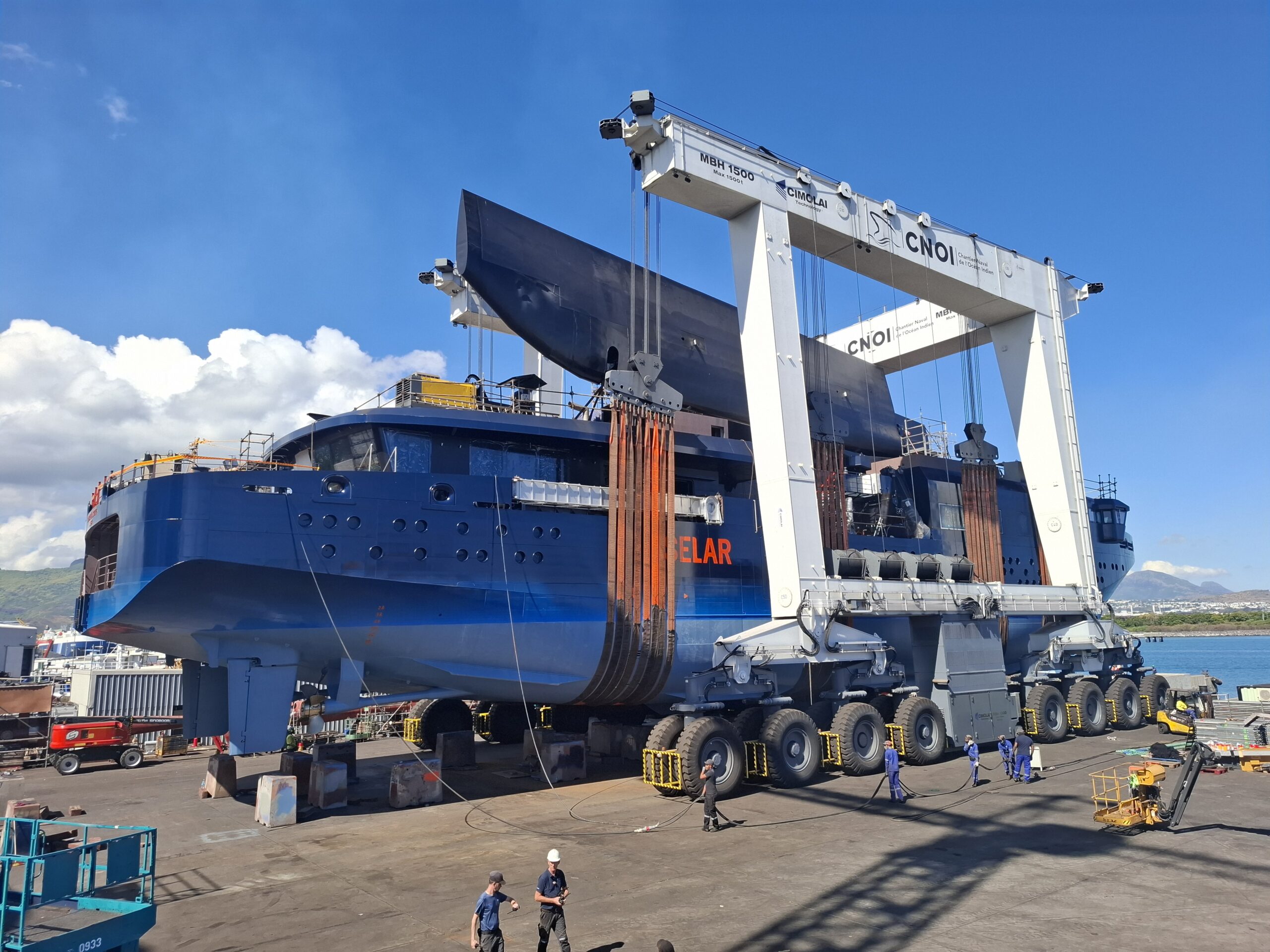
The vessel is currently under construction at CNOI in Mauritius. Delivery is scheduled for October 2026.
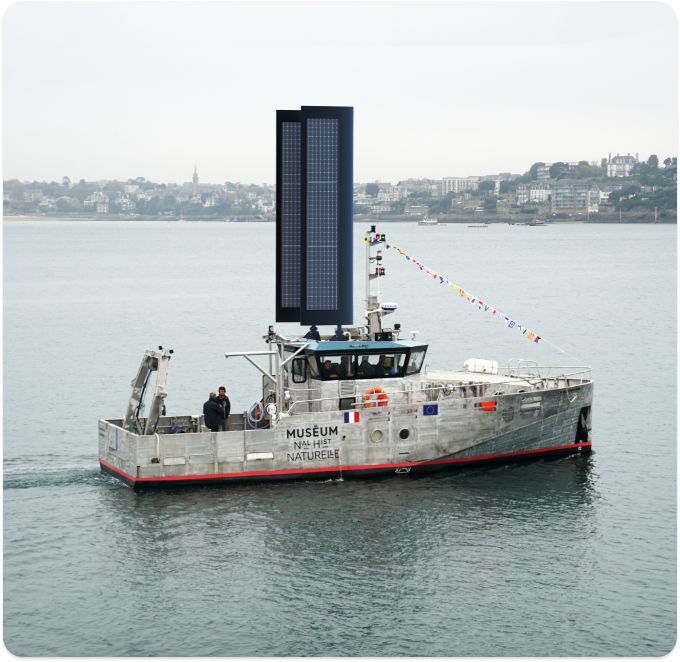
This project aims to test the combination of rigid wings and solar panels on La Korrigane, a 15-metre coastal research vessel.
Beyond assessing the environmental performance and durability of the equipment, the project will also examine and document how the use of wind and solar energy may change coastal oceanographic research practices.
The National Museum of Natural History (Dinard branch) plays a key role in the project, both as the vessel’s owner and operator. La Korrigane will test smaller-scale wings.
As a research institution, the Museum will study the impact of sail propulsion on scientific activities and, more broadly, on working conditions at sea along the coast.